




How to size a pure sine wave inverter for solar installations?
Selecting the right pure sine wave inverter is crucial for the efficiency and reliability of your solar installation. This guide addresses common challenges faced by beginners and provides in-depth answers to ensure optimal performance and longevity of your system.
1. How do I accurately determine the total power requirements of my household appliances to select the appropriate pure sine wave inverter?
To determine your total power requirements, list all appliances you intend to run simultaneously and note their power consumption in watts. Sum these values to obtain your total continuous load. For instance, if your refrigerator consumes 150W, a laptop 100W, and lighting 60W, the total continuous load is 310W. It's essential to consider the startup surge power of appliances with motors, such as refrigerators, which can require 800-1200W for 1-3 seconds. Therefore, selecting an inverter with a continuous rating higher than your total load and a surge capacity that accommodates these peaks is advisable.
2. What are the risks of undersizing or oversizing a pure sine wave inverter for my solar system?
Undersizing an inverter can lead to frequent overload shutdowns, reduced energy yield, and a shortened lifespan due to the inverter being unable to handle the peak power demands of your appliances. Conversely, oversizing can result in reduced efficiency, higher upfront costs, and delayed return on investment, as the inverter may operate below its optimal efficiency range. It's recommended to size your inverter to match your system's specific requirements, considering both continuous and surge power needs.
3. How do environmental factors like temperature and altitude affect inverter performance, and how can I mitigate these effects?
Environmental conditions such as high temperatures and elevations can cause inverters to derate, meaning they produce less power than their rated capacity. To mitigate these effects, select inverters rated for high-temperature and high-altitude operations. Ensure proper ventilation and consider installing the inverter in a climate-controlled environment to maintain optimal performance.
4. Why is it important to match the inverter's input voltage with my solar panel and battery system, and how do I ensure compatibility?
Matching the inverter's input voltage with your solar panel and battery system is crucial for efficient energy conversion and system safety. Incompatibility can lead to voltage sag, inverter faults, or battery damage. For example, if your battery bank operates at 48V, ensure the inverter is designed to handle a 48V input. Always verify the voltage specifications of all components to ensure seamless integration.
5. What are the advantages of pure sine wave inverters over modified sine wave inverters for solar applications?
Pure sine wave inverters produce a smooth waveform similar to grid power, making them suitable for all appliances, especially sensitive electronics, audio devices, and variable-speed motors. They operate at higher efficiencies (90-95%) compared to modified sine wave inverters (75-85%), reducing energy loss and heat generation. While pure sine wave inverters are more expensive, they offer superior performance and protect your equipment from potential damage caused by the harsh waveform of modified sine wave inverters.
6. How can I plan for future expansion of my solar system when selecting an inverter?
When selecting an inverter, consider your current and future energy needs. If you plan to add more solar panels, batteries, or appliances, choose an inverter that can handle these upgrades to avoid needing costly replacements. It's advisable to size your inverter to accommodate potential future loads, ensuring the system remains efficient and scalable.
In conclusion, selecting and sizing a pure sine wave inverter requires careful consideration of your current and future energy needs, environmental factors, and equipment compatibility. By addressing these aspects, you can ensure a reliable and efficient solar power system.
For a visual guide on inverter sizing, you may find the following video helpful:
(https://www.youtube.com/watch?v=JpvaZladDX4&utm_source=openai)
For personalized assistance and a detailed quote, please contact us at info@csinverter.com or visit our website at www.csinverter.com.


Modified Sine Wave Inverters
Can it be used in electric vehicles?
Most electric vehicles have a high-voltage system, and this inverter inputs DC 12V. It is not recommended to use it directly. If you need to use it, please confirm whether the vehicle power output matches first.
How many devices can it power at the same time?
Dual universal sockets + two USB ports can power multiple devices (such as two home appliances + two mobile phones) at the same time, as long as the total power does not exceed 600W.
Distributor
What kind of distributors are you looking for?
We seek distributors with experience in the amusement or entertainment equipment industry and a strong local market presence.
Pure Sine Wave Inverters
Can it be used in RVs or trucks?
Yes. The device input voltage is DC 12V, which matches the battery voltage of RVs and trucks. It can be connected via battery clips or cigarette lighter interface (need to confirm that the maximum current of the cigarette lighter is ≥10A) to supply power to car refrigerators, parking air conditioners, laptops, etc.
What is the difference between labeled 6000W and full power 3000W?
Labeled 6000W is peak power, which is only used to cope with the instantaneous high-power demand during device startup (such as air conditioner, motor startup); full power 3000W is continuous power, referring to the power that the device can stably output for a long time. When driving appliances daily, 3000W should be used as a reference to avoid total power overload.
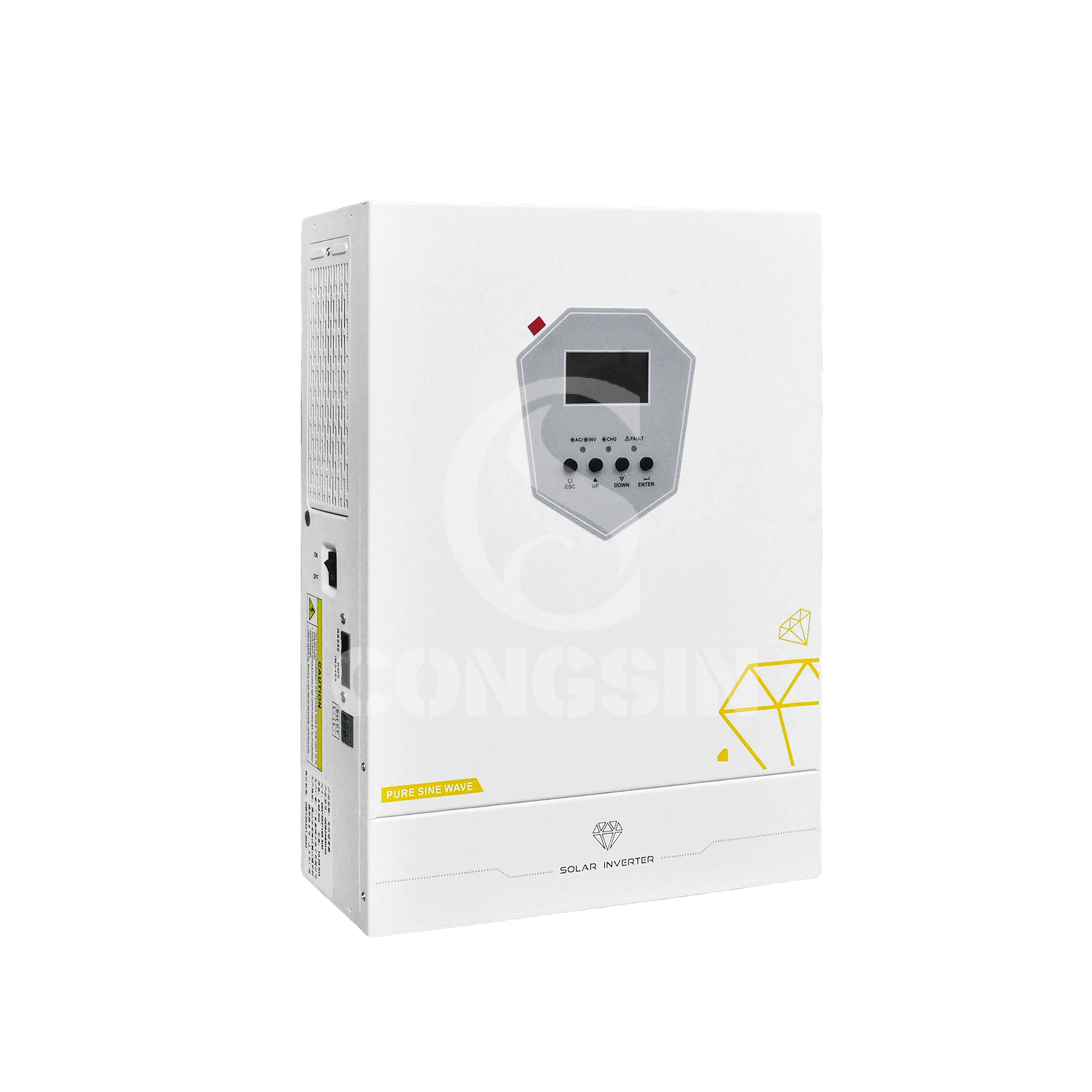
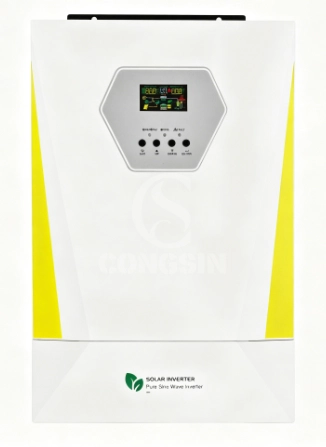
Power your solar system efficiently with the Congsin 4000W and 6000W Hybrid Inverter. Featuring an integrated MPPT Controller, this CE Certified inverter ensures optimal energy conversion. Monitor performance effortlessly via the intuitive LCD Display. Reliable, powerful, and ready for your sustainable energy needs.
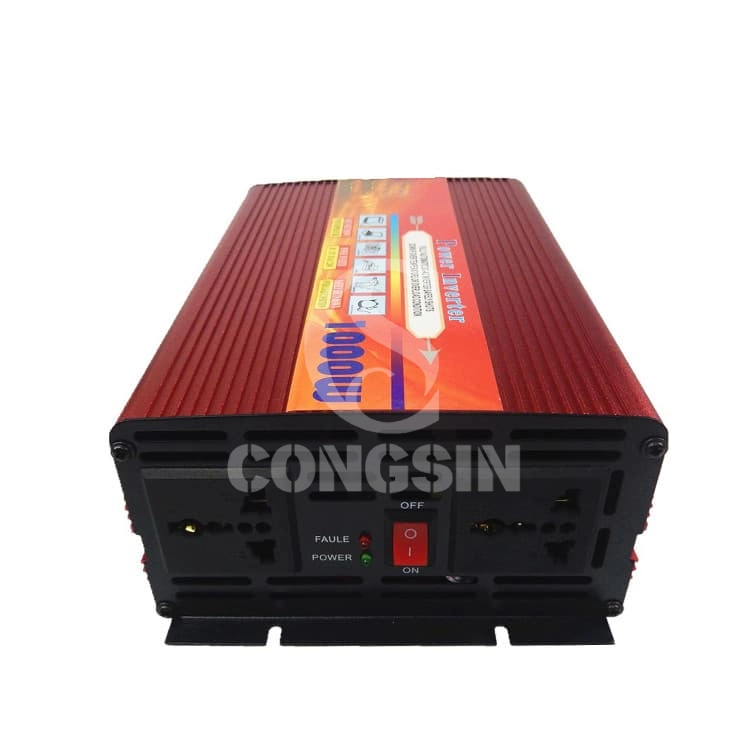
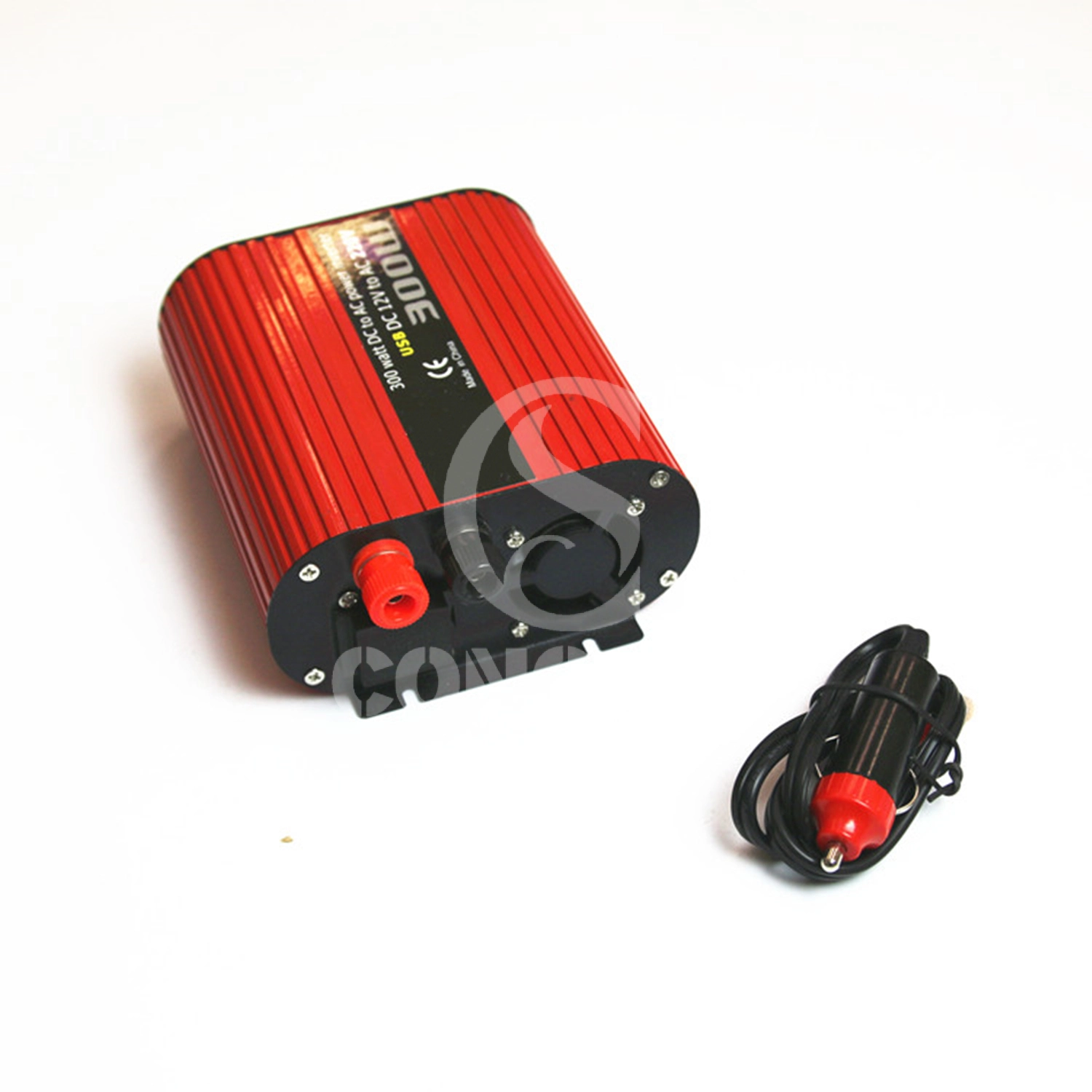
Congsin's Portable 150W Modified Sine Wave Inverter powers your journey! This versatile Car Power Inverter with USB acts as a reliable 12V to 220V converter, ensuring an essential off-grid power supply. With dual USB ports and a universal socket, enjoy convenient power on the go.
Get in Touch with Our Team
You can also communicate with us directly through our online contact form. Please fill in the following information, and our team will contact you as soon as possible after receiving your message.

CONGSIN is a trusted OEM factory for power inverters, solar charge controllers, and DC converters. Reliable solutions for global B2B buyers.
 High Quality
 7/24 Service
 Guaranteed Warranty
© 2025 Congsin. All Rights Reserved.
 WeChat
 Scan QR Code
sin cong
teaimei10
Whatsapp: +8618028086791
Scan QR Code